
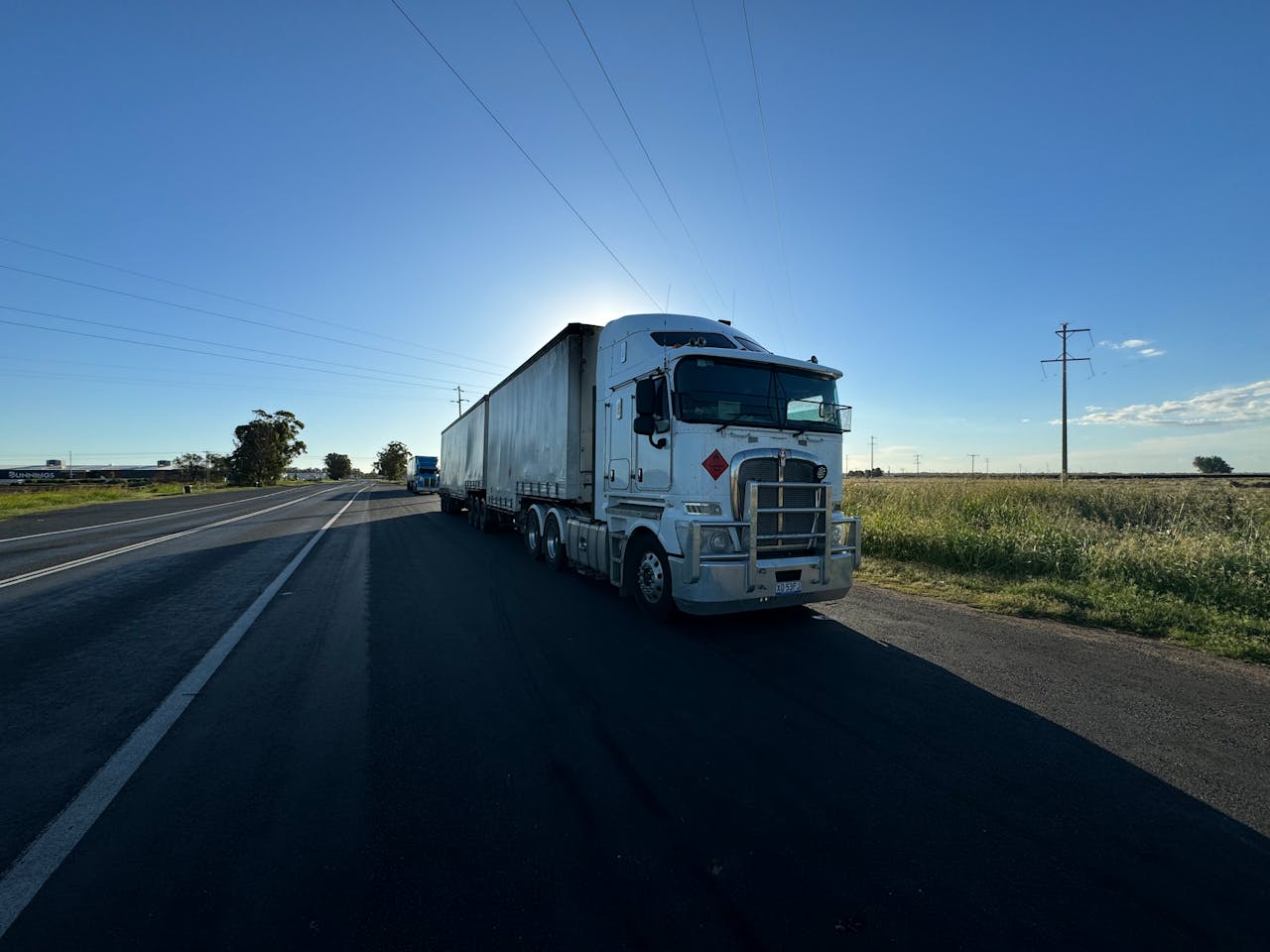
Deciding to drive heavy goods vehicles professionally offers a clear path to a stable and rewarding career. Transport and logistics rely heavily on skilled drivers to keep supply chains moving across the country. If you want to drive rigid trucks professionally, acquiring a Cat C licence is your primary starting point.
The process involves passing medical exams, theory tests, and practical driving assessments. While the steps might seem extensive, breaking them down makes the entire journey highly manageable. This guide provides a straightforward overview of what to expect, helping you prepare properly for the tests ahead.
What Is a Cat C Licence?
A Category C driving qualification permits you to drive vehicles weighing over 3,500kg. This specific classification allows you to operate rigid trucks, meaning the cab and the cargo area are physically connected as a single unit. You are also permitted to tow a trailer, provided the trailer’s maximum authorised mass does not exceed 750kg.
People often confuse the Cat C with the Cat C1 or Cat C+E. The Cat C1 restricts you to driving vehicles between 3,500kg and 7,500kg, making it a lighter alternative. The Cat C+E permits you to drive articulated lorries with much heavier trailers. Securing the standard Cat C entitlement is the standard entry point for individuals wanting to work full-time in the road haulage industry.
Requirements for Obtaining a Cat C Licence
Before starting any formal training, you must meet several foundational criteria. You must be at least 18 years old and already hold a full car driving licence, known as a Category B qualification. You must also prove that you are physically fit to handle large, heavy vehicles safely on public roads.
To prove your medical fitness, you must undergo a physical examination conducted by a doctor. The doctor will test your vision, check for any neurological conditions, and evaluate your general cardiovascular health. Passing this medical exam proves to the Driver and Vehicle Licensing Agency that you do not have any underlying health issues that could impair your driving ability.
The Application Process
Once you pass the medical exam, you must apply for your provisional lorry driving entitlement. This involves completing two specific documents from the Driver and Vehicle Licensing Agency. The first is the D4 medical form, which the doctor fills out during your health assessment. The second is the D2 application form, which you complete with your personal details.
You must send both completed documents, along with your current photocard driving licence, to the licensing authority. Processing these forms generally takes a few weeks, depending on current administrative workloads. Once the updated licence arrives with the provisional entitlement included, you can legally begin the practical phases of your instruction.
Training and Examinations
The testing phase is split into multiple parts to thoroughly assess your knowledge and physical driving competence. First, you must pass the multiple-choice theory test and the hazard perception test. These assessments evaluate your understanding of road signs, weight limits, and driving regulations specific to heavy goods vehicles.
You must also complete the Driver Certificate of Professional Competence case studies test if you intend to drive for a living. After clearing the theoretical components, you move on to practical instruction with a qualified instructor. The final practical test assesses your ability to handle the vehicle safely, perform reversing manoeuvres, and demonstrate practical competence on public roads.
Your Future on the Road
Taking the initiative to become a professional heavy goods vehicle driver requires commitment, but the career benefits are substantial. By understanding the medical criteria, application procedures, and testing formats, you can approach the process with total confidence. Start by booking your medical exam and ordering your application forms today to get your new career moving.